How to Choose the Perfect Personal Trainer for Powerlifting


Understanding Your Powerlifting Goals
Before you begin your search for a personal trainer, it's critical to clearly define your powerlifting goals. Are you aiming to compete professionally, or are you simply looking to improve your strength and technique? Understanding your objectives will help you find a trainer who specializes in the areas most relevant to your needs.
Consider writing down your goals and discussing them with potential trainers to ensure they align with your vision. This will set the foundation for a successful partnership.
Researching Qualified Trainers
Once you have your goals in mind, start researching trainers who specialize in powerlifting. Look for trainers with certifications from reputable organizations such as the National Strength and Conditioning Association (NSCA) or the International Sports Sciences Association (ISSA). These credentials indicate that the trainer has a solid understanding of strength training principles.
Additionally, check for reviews or testimonials from past clients. These can provide insight into the trainer's experience and effectiveness. Don't hesitate to request references if you need more information.
Evaluating Experience and Expertise
Experience is a key factor when choosing a personal trainer for powerlifting. Look for someone who has a proven track record of working with powerlifters at your level. Whether you are a beginner or an experienced lifter, the trainer's expertise should match your needs.
Ask potential trainers about their experience with powerlifting competitions, their training philosophy, and their approach to programming. A knowledgeable trainer will be able to provide you with a structured plan that includes progressive overload and recovery strategies.
Assessing Communication and Compatibility
Effective communication is essential for a successful trainer-client relationship. During your initial meetings, pay attention to how well the trainer listens to your concerns and explains concepts. A good trainer should be patient, approachable, and able to adapt to your learning style.
Compatibility goes beyond communication. Consider whether your personalities and values align. A positive rapport can enhance your motivation and overall experience.
Understanding Training Logistics
Logistics play a significant role in choosing the right personal trainer. Consider factors such as location, availability, and cost. You may prefer a trainer who is located near your gym or offers flexible scheduling to accommodate your lifestyle.
Discuss pricing and payment options upfront to ensure they fit within your budget. Some trainers may offer packages or discounts for long-term commitments, which could be beneficial if you plan to work together over an extended period.
Trial Sessions and Making Your Decision
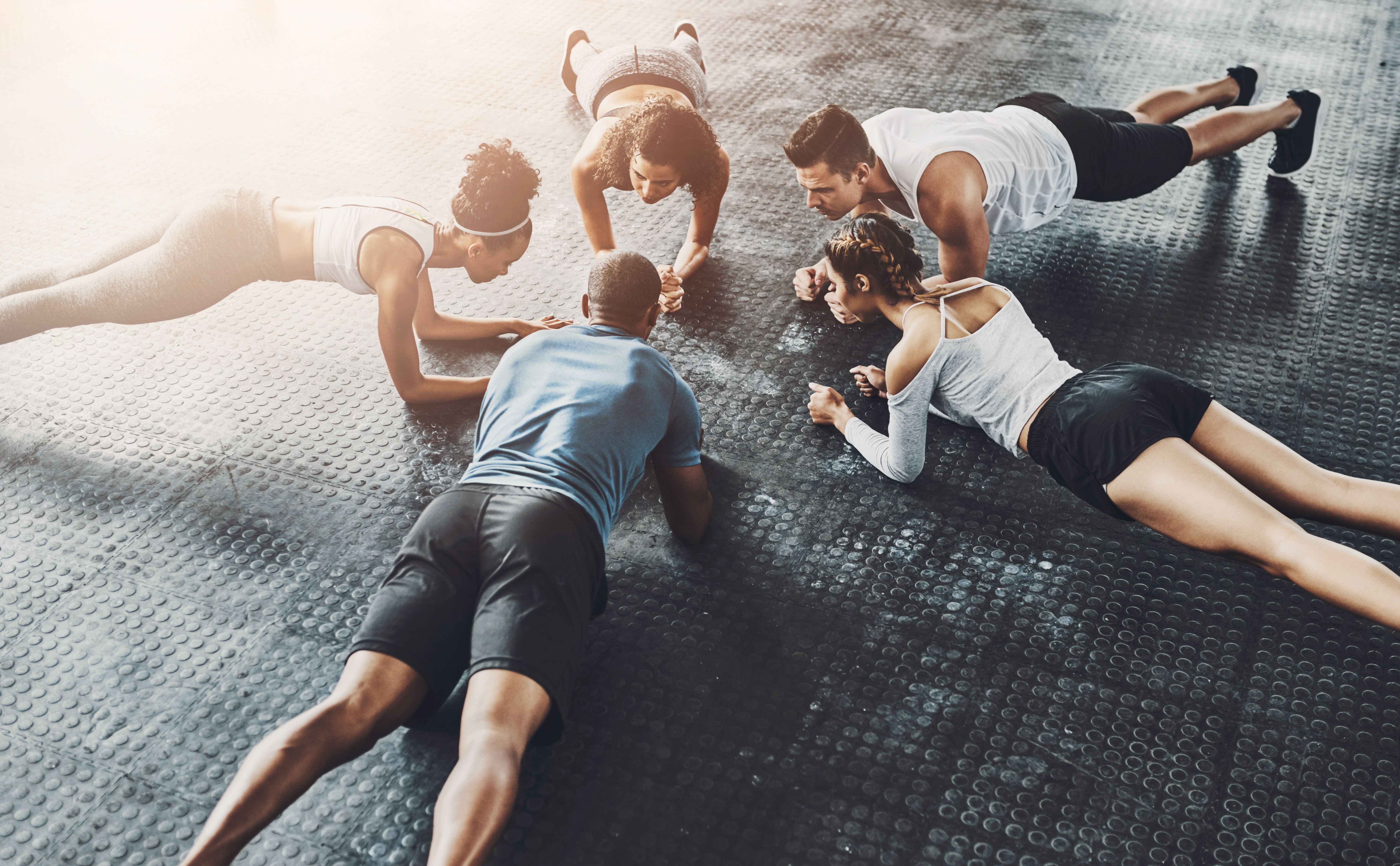
Many trainers offer trial sessions, which allow you to experience their training style firsthand. Use this opportunity to assess their coaching techniques, attention to detail, and ability to motivate you. A trial session can provide valuable insight into whether the trainer is the right fit for you.
After completing your research and trial sessions, take time to reflect on your options. Trust your instincts and choose a trainer who inspires confidence and aligns with your powerlifting aspirations.